Phishing simulator



A multi-channel phishing simulator that builds secure behaviour.
Run realistic simulations on the channels attackers actually use.
Phishing attack simulation
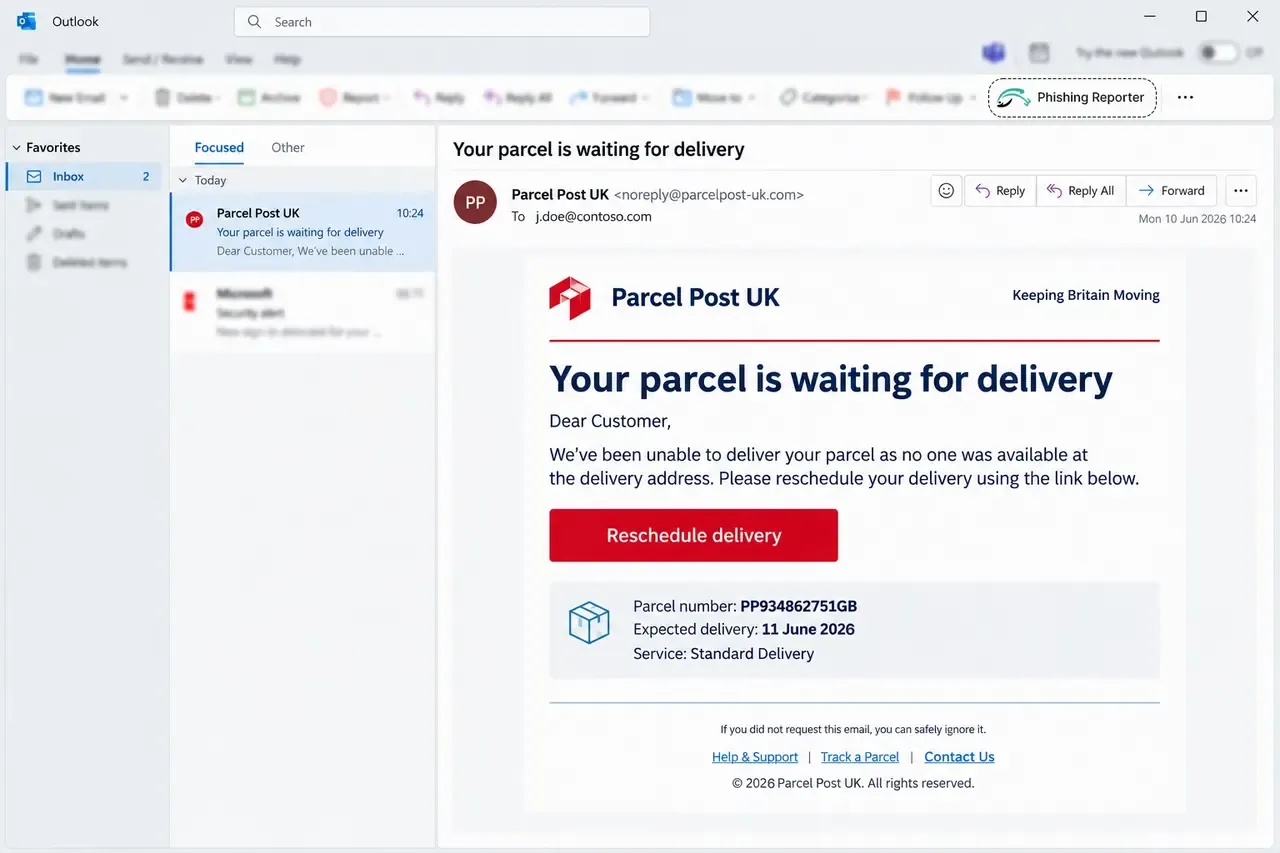
Realistic phishing emails, personalised to each employee.
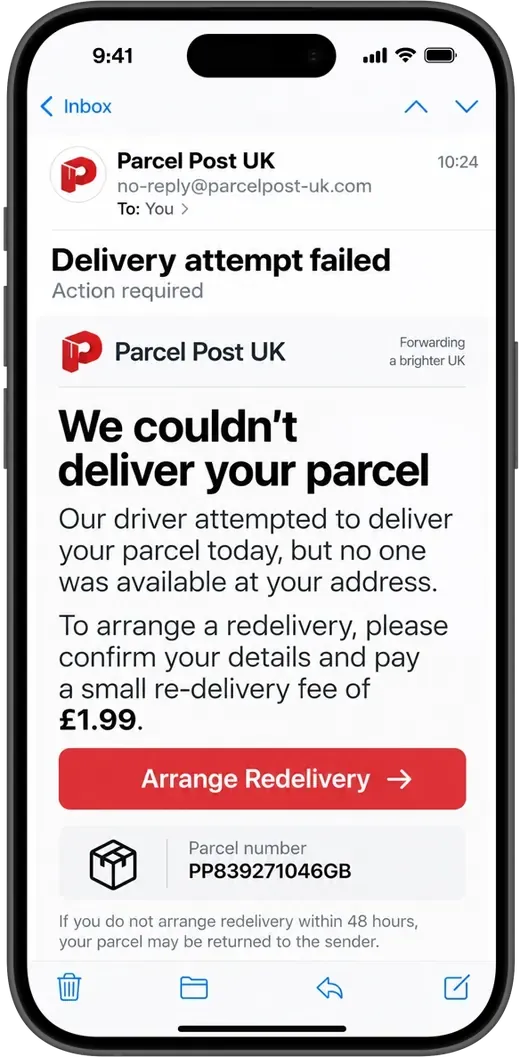
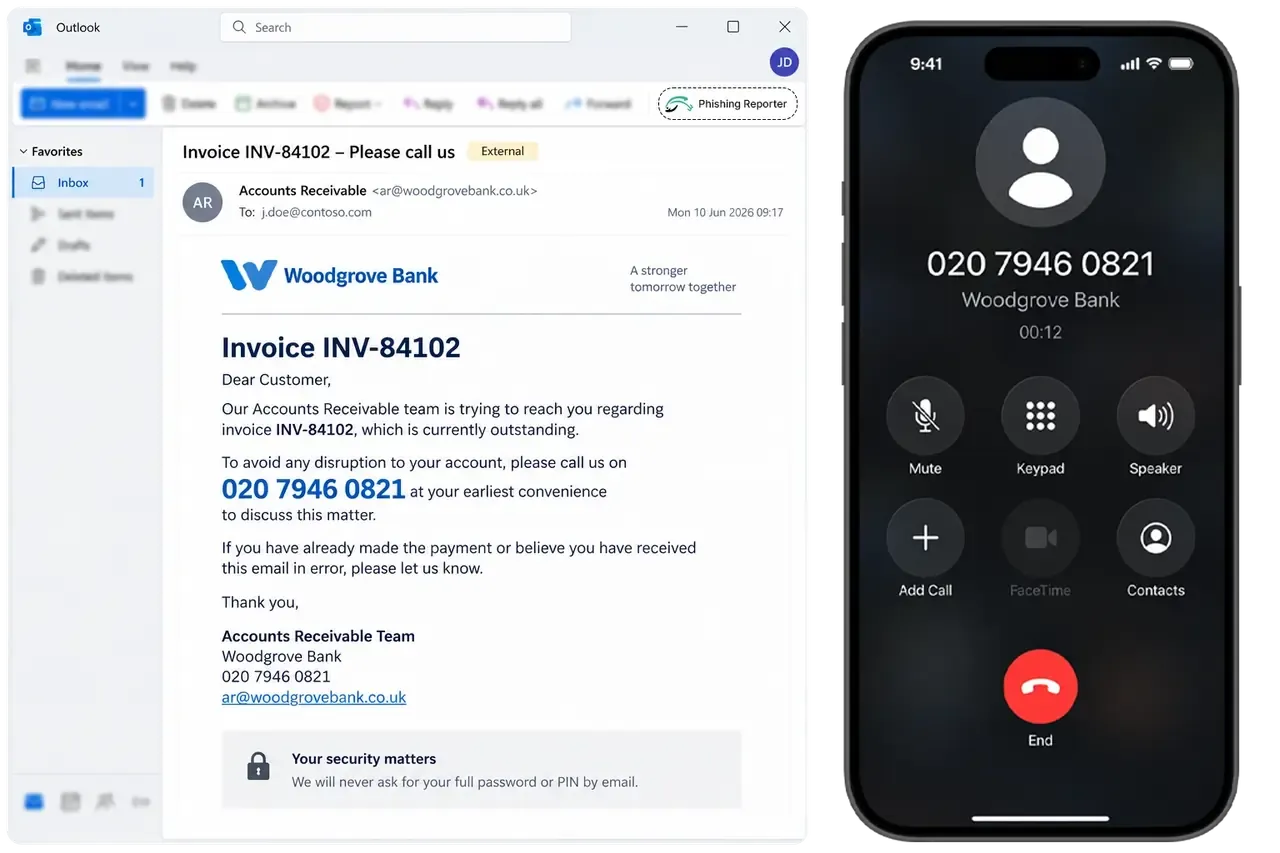
A two-way call an AI agent holds, from numbers Keepnet owns.
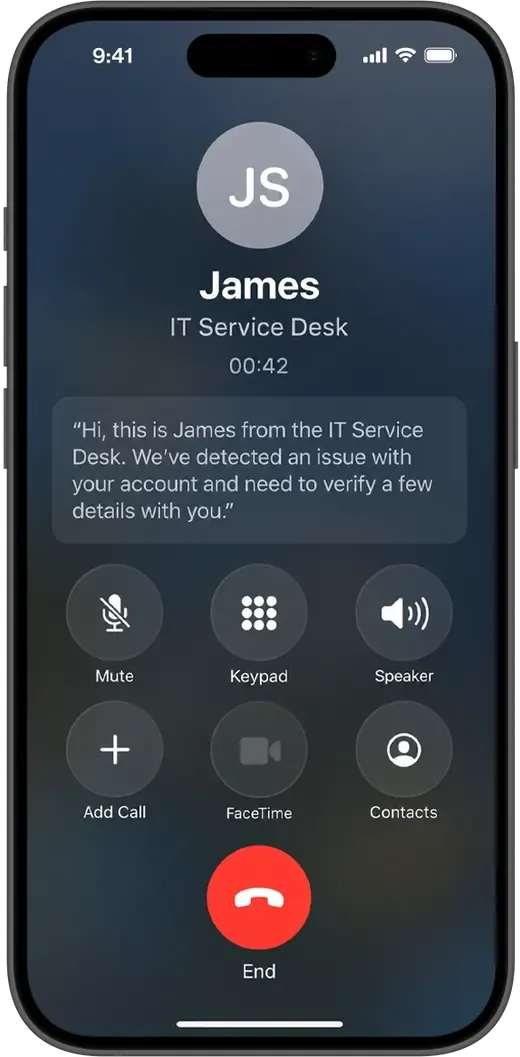
From local numbers Keepnet registers for you.
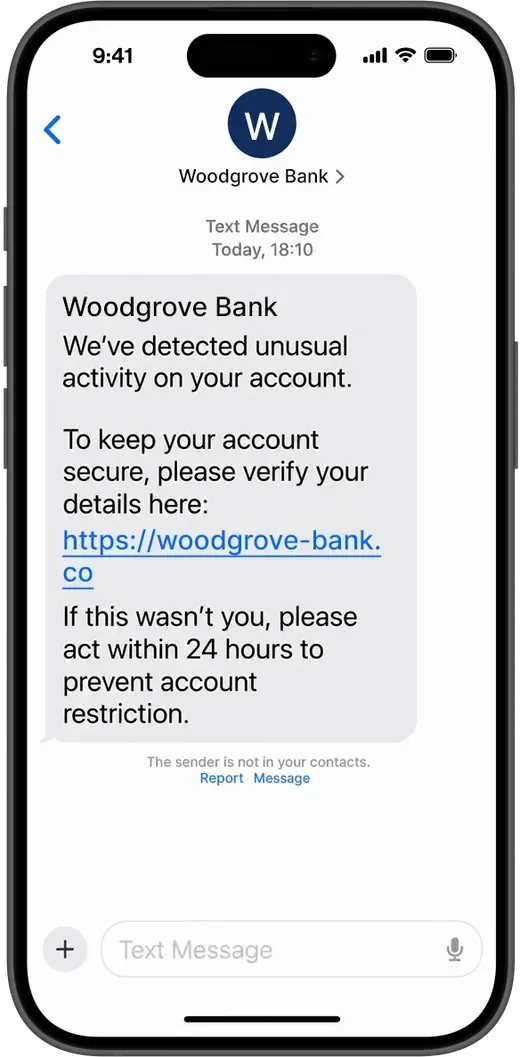
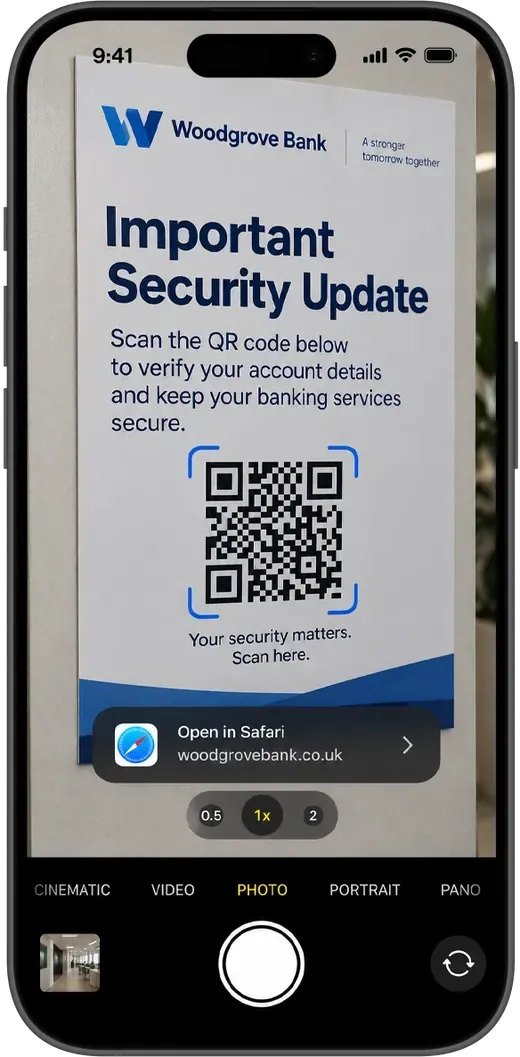
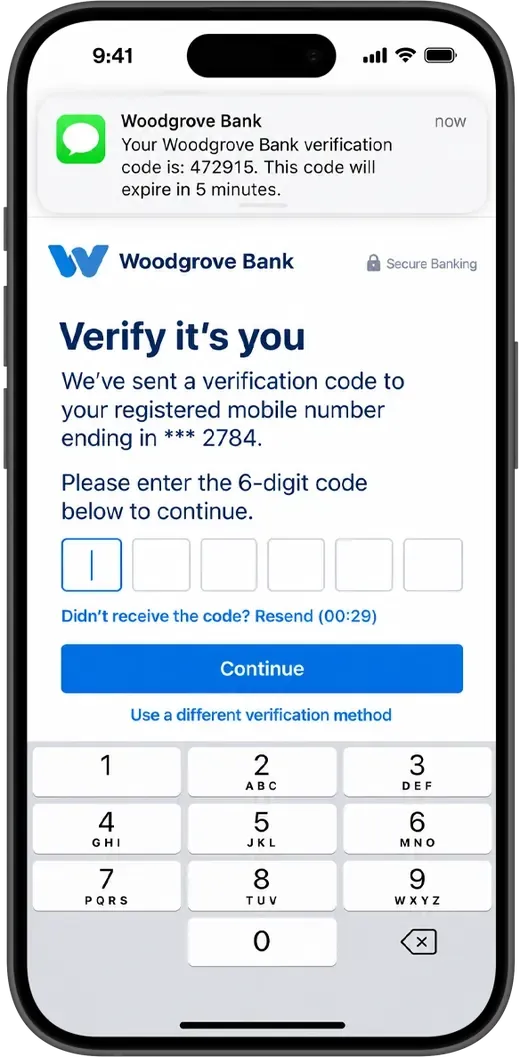
Tests whether someone reads back the one-time code.
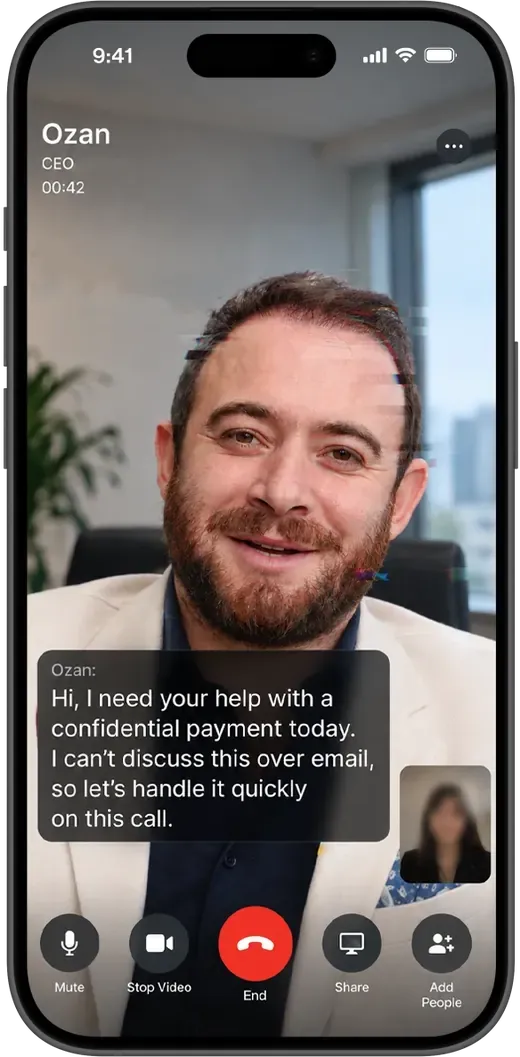
Video and voice that hold a two-way conversation.
Realistic phishing emails, personalised to each employee.Try it in the console
None of it starts from a blank page
- 47,000+templates ready to use
- Avg. 476new templates a month, last 12 months
- 60+languages, 87+ locales
Made by subject matter experts.
As of 19 October 2026.
Trusted every day by security teams that measure behaviour, not attendance









Secure behaviour, proven in the real world
 Aviation
 Telecoms
 Hospitality
Where phishing went, and where most programmes stopped
How it works
Simulate, train, measure
1. Simulate
One scenario, built for the employee, arriving on every channel.
- Sent from your own domain, or one of ours
- Personalised by role, risk and behaviour
- Email, voice, SMS, QR, callback, MFA, deepfake
2. Train
Coaching at the click, then the nudges and course that follow.
- At the click, then nudges and a course
- Personalised by role, department and locale
- Completion and certificates, automated
3. Measure
Whether the behaviour actually moved, and by how much.
- More reports, arriving faster
- Against your own baseline and your industry
- Top risky behaviours and departments, ranked
The real console, not a video
Simulations that reach the inbox without whitelisting
Click to start a live preview
No form, no sales call. Best in landscape on a phone.
Start the tourThe interactive product tour of the Keepnet console
The tour will not open in this page
Your browser or network is blocking the embedded frame.
Open the tour in a new tab1 of 6
Read more about the vishing simulatorRead more about the smishing simulatorRead more about the quishing simulatorRead more about callback phishing
Where it is already running
Pick the sector closest to yours, with published numbers as customers gave them.


In their words




Videos load from YouTube only when you press play.
This video will not play here.Watch it on YouTubeBuilt by agents, as far as you let them
Several agents pick the employees, the channels and the training. Approve each one, or let them run.
See the agents running in the console
ISO/IEC 42001 certifiedA worked example, not a live session.
Measurement
Know whether your phishing simulations are working
One reading across channels, against your target and your sector.
- Email52%
- Voice28%
- SMS22%
- QR19%
- Callback15%
- MFA24%
- Deepfake17%
EngagedClickedSubmittedReported
| Channel | Delivered | Engaged | Clicked | Submitted | Reported |
|---|---|---|---|---|---|
| 98% | 41% | 18% | 6% | 52% | |
| Voice | 96% | 34% | 21% | 9% | 28% |
| SMS | 99% | 39% | 24% | 7% | 22% |
| QR | 97% | 22% | 12% | 4% | 19% |
| Callback | 95% | 18% | 11% | 5% | 15% |
| MFA | 98% | 27% | 14% | 8% | 24% |
| Deepfake | 94% | 31% | 19% | 6% | 17% |
Reported is the good news. On the others a bigger number is worse.
Your targetSector benchmark
- Reported52%
- Clicked18%
- Submitted6%
- Repeat risky behaviour9%
| Measure | You | Target | Sector |
|---|---|---|---|
| Reported | 52% | 60% | 34% |
| Clicked | 18% | 12% | 27% |
| Submitted | 6% | 4% | 11% |
| Repeat risky behaviour | 9% | 5% | 14% |
A number on its own is not a verdict.
Risky behaviour
- Submitted credentialsKeepnet simulation31%
- Downloaded the attachmentKeepnet simulation24%
- Approved the MFA promptEntra ID Protection14%
- Opened a flagged attachmentMicrosoft Defender11%
Positive behaviour
- Completed the module first time64%
- Reported before anyone clicked38%
| Behaviour | Share | Type | Detected by |
|---|---|---|---|
| Submitted credentials | 31% | Risky | Keepnet simulation |
| Downloaded the attachment | 24% | Risky | Keepnet simulation |
| Approved the MFA prompt | 14% | Risky | Entra ID Protection |
| Opened a flagged attachment | 11% | Risky | Microsoft Defender |
| Completed the module first time | 64% | Positive | Keepnet simulation |
| Reported before anyone clicked | 38% | Positive | Keepnet simulation |
Behaviour from Entra ID Protection, Microsoft Defender and Google SecOps lands here too.
52%
Reporting rate, Feb to Sep
FebJunSep
In plain words
Reporting has gone from 28% to 52% in eight months, with the steepest climb between May and August.
What you can do
- Hold the monthly cadence
- Raise the target to 60%
- Repeat it for teams under 40%
Share of employees who engaged
- Submitted credentials31%
- Downloaded the attachment24%
- Replied to the sender18%
- Approved the MFA prompt14%
In plain words
Credential submission carries most of the risk, and it sits in two departments rather than spreading evenly.
What you can do
- Send the credential module to those teams
- Raise the difficulty for repeat submitters
- Add an MFA-fatigue simulation next month
Share who clicked or acted
- SMS24%
- Voice21%
- Deepfake19%
- MFA14%
In plain words
Employees handle email well. They are least ready for SMS and voice, and the gap between those two and email is the widest in the set.
What you can do
- Move SMS and voice to a monthly cadence
- Send the callback module to those who acted
- Check your sector before setting targets
| Month | Reported |
|---|---|
| Feb | 28% |
| Mar | 31% |
| Apr | 30% |
| May | 36% |
| Jun | 42% |
| Jul | 45% |
| Aug | 49% |
| Sep | 52% |
The picture, the plain words, and the decisions open to you.
Produce any of it as HTML or PDF, schedule it to a mailbox or a Teams channel, or pull the same figures through the API into Power BI.
Every metric measured
- Delivery
- Sent, delivered, bounced, opened, delivery method, send window, time zone of delivery, language and locale served.
- Engagement
- Opened, engaged, clicked, link clicked, attachment opened, QR scanned, call answered, call duration, MFA prompt approved, data submitted, replied, forwarded.
- Reporting
- Reported, report rate, time to first report, median time to report, reported before first click, reported after click, false positive rate, reports per employee.
- Behaviour
- Repeat risky behaviour, first-time risky behaviour, improvement since last simulation, positive behaviour, training completion, time to completion, module pass rate.
- Comparison
- By department, role, region, manager, location, tenure and language. Against your own target, your previous result and your sector benchmark.
- Difficulty
- NIST Phish Scale difficulty per template, cue count, premise alignment, and the difficulty mix across the campaign.
Multilingual phishing simulation
Each channel, in each language your workforce speaks
The difficulty is held across the localisations automatically, so click rates stay comparable across a border.
Email
- FrançaisFacture en retard
- DeutschRechnung überfällig
- NederlandsFactuur verlopen
Difficulty Medium
SMS
- FrançaisFacture en retard, payez ici
- DeutschRechnung überfällig, jetzt zahlen
- NederlandsFactuur verlopen, betaal nu
Difficulty Medium
Call
- FrançaisVotre facture est en retard
- DeutschIhre Rechnung ist überfällig
- NederlandsUw factuur is verlopen
Difficulty Medium
Training
- FrançaisReconnaître les fausses factures
- DeutschGefälschte Rechnungen erkennen
- NederlandsValse facturen herkennen
Module 4 min
Three shown on each. The same scenario runs on each channel in any of the languages below, training included, and the report is read in the manager's language.
More than 60 languages and 87 locales, for simulations and training
- English (UK)
- English (US)
- Deutsch
- Français
- Español
- Português (BR)
- Italiano
- Nederlands
- Polski
- Türkçe
- Čeština
- Română
- Magyar
- Ελληνικά
- العربية
- 日本語
- 한국어
- ไทย
- Bahasa Indonesia
- Tiếng Việt
Phishing remediation
The click becomes the lesson
Coaching page, at the click
You clicked a phishing simulation
You are not the only one. Here is what was in it.
FromAccounts Payable1
SubjectInvoice overdue, action required2
Linkintranet.acme-portal.co3
The display name is your finance director
The address behind it is not. The name shown in a mail client is set by the sender, so it can read correctly while the domain behind it is someone else's.
The request is urgent and small
Both at once is the pattern. Urgency shortens the check, and a small amount keeps the request below the threshold that would normally trigger one.
The link text looks like your intranet
The destination is a different host. Link text and link target are two separate things, and only one of them is checked by the employee's eye.
Produced for every template in the library, in that template's own language. Not a selected set, and not a fixed list reused across all of them.
In the moment
No mark against a name. The coaching opens on the template the employee just engaged with.
For the employee
Each cue is marked on the template itself, with the reason, in the language that template is in.
For the security team
The result lands in the same reading as the other channels, and repeat risky behaviour is tracked.
The evidence is published, not on request


Four current certifications, independently audited. Certificates and the full control set are published at doc.keepnetlabs.com/resources/compliance.
Phishing simulation pricing
Priced per employee, scoped to what you run
Take one simulator on its own, or the whole platform. The training library is optional either way.
It plugs into the stack you already run
Employees sync themselves, results go where your team already looks, and the data shapes the next phishing campaign.
Identity and learning integrations
Joiners, movers and leavers arrive over SCIM, so target groups stay accurate without a spreadsheet. If training already lives in your LMS, Keepnet content is delivered into it through a SCORM proxy.
Simulation and reporting
Simulations reach the inbox without whitelisting or gateway configuration, and employees report a suspicious email, SMS or call from the tools they already use.
Security operations and incident response
Reported threats, simulation results and behaviour metrics flow into the tools your SOC already uses, checked against multiple external sources before a verdict is returned.
The things buyers ask
The questions we hear most often.
Run well, they move the behaviour that protects an organisation, which is reporting. Across Keepnet customers: Nautilus International saw 75% fewer clicks on malicious links, and up to 97% faster employee reporting. Wisebits went from a 25% phishing test failure rate to 3 to 4%, and it held as the scenarios got harder. Teknosa took recognition of voice phishing from 45% to 80% in 90 days, across 2,500 staff in 211 stores.
Two things decide whether you see that. Difficulty, because an easy scenario flatters the numbers. And channel: in the 2026 Verizon Data Breach Investigations Report, phone-based simulations failed roughly 40% more often than email ones, so a programme that tests only email is measuring the channel employees already handle best. Keepnet contributed the voice and SMS simulation data to that report.
Measure reporting rate and time to report across months. A completion rate tells you the training was opened, not that anything changed. The UK National Cyber Security Centre makes the same case for reporting: “Building a culture where users can report phishing emails (including where they’ve been clicked-on) gives you vital information about what types of phishing attacks are being used.”
Customer results as those customers published them. Simulation comparison: Verizon 2026 Data Breach Investigations Report, p. 50. Keepnet is named in its contributors list, p. 118. NCSC, Phishing attacks: defending your organisation.
Email, voice, SMS, QR, callback, MFA and deepfake. The same simulated phishing scenario can go out on more than one of them, in the language each employee works in.
The results land in one reading rather than one report per tool, so a click rate on email and a click rate on SMS sit side by side.
Yasar Geren, Director and Extended Executive Committee Member at AXA Insurance: “We were seeing more voice and SMS phishing targeting executives, finance teams and IT helpdesks. Keepnet gave us a way to simulate those attacks, train the people being targeted and give employees a simple way to report suspicious SMS and calls when they happen for real.”
Microsoft Attack Simulation Training simulates email and QR, and it comes with Defender for Office 365 Plan 2 rather than being sold on its own. If your programme is email-only and you already hold that licence, it covers the basics. On email its reporting is deep: predicted and actual compromise rate, repeat offenders, and first and average time to click.
Where teams move is channel. It does not place voice calls or send SMS, and it does not report on what employees do with those. In the 2026 Verizon Data Breach Investigations Report, phone-based simulations failed roughly 40% more often than email ones, so an email-only programme leaves the weaker channel untested.
Channels, reporting on a real SMS or a real call, how you buy it and published price are where the vendors actually differ. Each comparison is published in full, with the reasoning and the source behind every line: KnowBe4, Microsoft Attack Simulation Training, MetaCompliance, Proofpoint, Hoxhunt, Adaptive Security.
A vendor’s own comparison is a starting point rather than the verdict. Keepnet Labs has a rating of 4.9 out of 5 based on 104 ratings in the Security Awareness Computer-Based Training market on Gartner Peer Insights as of October 2026, and 5.0 out of 5 based on 46 reviews on Capterra as of October 2026. The other vendors in this market are listed on both sites, so the comparison can be checked without us.
Keepnet’s. We buy the numbers and complete the compliance steps for each country we offer them in, so you do not need a telephony account, a carrier relationship or a sender ID registration of your own. The numbers are bought for this purpose and used only for Keepnet simulations.
Caller ID is not spoofed. Spoofing breaches telecoms rules in several countries, so simulations run from A2P 10DLC compliant numbers instead.
Use the library as it is, edit any template, or create your own, landing page included. Selection can be role-based, so the scenario an employee receives fits the work they do. Red flags are produced for every template in the library, in that template’s own language.
Difficulty is set by the NIST Phish Scale, and it is held across localisations automatically, so click rates stay comparable across a border.
You decide how much runs without you. The agents draft and schedule, and every step can sit behind an approval gate, from full review of each campaign through to autopilot once you trust it.
Generated content is checked before it goes out, and simulations are produced inside a global framework and your own organisation’s policy. Deepfake is opt-in, and who appears in one is approved before it runs.
Frequency is capped per employee, and sending follows either your schedule or the employee’s behaviour, so a programme cannot turn into a daily stream. See what the agents do.
Nothing is recorded against a name. A click, a scanned QR, an opened attachment or submitted data opens a coaching page at that moment, on the template the employee just engaged with. An answered call is coached inside the call.
You can send the training when the campaign ends instead. See what happens after the click.
The UK National Cyber Security Centre gives the same instruction: “Don’t reprimand users who are struggling to recognise phishing emails.”
and “Avoid creating a punishment or blame-oriented culture around phishing.”
By comparing the same employees before and after, not by counting who finished a module. Completion, click rate and reporting rate are all in the platform, and the reading that decides the question is whether the behaviour moved.
Reporting rate and time to report are tracked campaign after campaign, across channels, including SMS and calls. Both are counts, so neither hides what it is made of.
Risky and positive behaviours are recorded per employee, each carrying a severity, so susceptibility is visible at employee and department level rather than as one number for the organisation.
Repeat risky behaviour is tracked alongside them, and the reading sits against the target you set and your sector. The behaviour score is those same recorded behaviours added up, each keeping its severity, its date and the framework control it maps to, so the score opens into the events behind it rather than standing on its own. That is what makes it explainable to a board and auditable to a reviewer. See the reading.
Across Keepnet’s own data the direction is consistent. An employee’s first simulated phishing email is the one they are most likely to click: 9.2%, falling to 4.8% across every simulation that follows. The template difficulty mix stayed flat between the first and the twelfth, so the drop is not explained by easier templates.
Measured one organisation at a time rather than one employee at a time, the median organisation’s click rate fell from 3.4% on its employees’ first simulation to 1.4% by their twelfth, so the finding is not carried by a few large employers.
Keepnet anonymised customer research, email phishing simulations delivered 1 January 2020 to 29 September 2026. Employee figures: employees who received at least 12 simulations (n=102,452 employees across 158 organisations); the 4.8% is the mean across simulations 2 to 12, not a single simulation. Organisation figures: n=158 organisations. Methodology: doc.keepnetlabs.com/resources/research-methodology.
Yes, and they are an expected security control rather than a grey area. NIST SP 800-53 control AT-2(1) reads: “Provide practical exercises in literacy training that simulate events and incidents.”
Its discussion names the method: “Practical exercises include no-notice social engineering attempts to collect information, gain unauthorized access, or simulate the adverse impact of opening malicious email attachments or invoking, via spear phishing attacks, malicious web links.”
Three more frameworks require the awareness programme a simulation serves. CIS Controls v8.1 safeguard 14.2 asks organisations to train employees to recognise phishing, at every implementation group including the baseline. PCI DSS v4.0 requires awareness training that covers phishing and social engineering, mandatory since 31 March 2025. DORA makes security awareness programmes compulsory for staff and senior management at EU financial entities.
How you run one is where the care goes. The UK National Cyber Security Centre puts it plainly: “Phishing simulations can also create legal risk.”
Employment law, data protection and employee representation rules differ by country. Agree the programme with HR and, where you have one, your works council before the first send. Tell employees that simulations happen. Report on groups rather than on named employees.
NIST SP 800-53 Rev. 5, control AT-2(1). NCSC, Phishing attacks: defending your organisation. General information on security frameworks, not legal advice. Confirm your own obligations with your legal team.
You run it. Keepnet is a phishing simulation platform your own team operates, and the AI agents take as much of the setup and the follow-up as you let them.
You pick the employees, the channels and the schedule, or the agents pick and you approve. Keepnet does not run campaigns on your behalf.
Organisations that offer a phishing simulation service, to their own employees or to client companies, build it on Keepnet rather than buying it as a service. Each simulator can be bought on its own, so that service can start on one channel and add the rest later.
Keepnet’s phishing simulation software is priced on the number of employees and the capabilities you need. You can start with email simulations and add channels such as SMS, voice, QR and callback as your programme grows.
Published prices start at $1.20 per employee per month for Essentials at 501 to 1,000 employees on a three year term. Prices are published to 1,000 employees and quoted above that. See the full price list and every feature.
Employees arrive over SCIM from Entra ID or your own directory, so groups, joiners and leavers stay current instead of being re-imported every month. Sites that share one mailbox rather than hold one each are enrolled the same way. There is no gateway configuration or whitelisting step.
Whitbread moved to Keepnet from KnowBe4. Its security team had been handling every phishing exercise by hand, which at around 32,000 employees took a few days each time. On Keepnet the simulations for all 32,000 are scheduled six months ahead in one go. Read what they did.
Measurement starts where you do. Your first campaigns set the baseline, and the before and after reading runs from there against the target you set and your sector, so the comparison is like for like rather than stitched across two platforms.
Most organisations send their first email phishing simulation within two weeks of the licence starting. Of those that joined Keepnet between January 2025 and June 2026, more than half were inside two weeks and nearly two in three inside 30 days.
There is no gateway configuration or whitelisting step in between. Employees sync over SCIM or file upload, so the first campaign can go out as soon as the list is in.
Keepnet anonymised customer research, email phishing simulations, accounts and licences starting January 2025 to June 2026 (n=428 organisations). Methodology: doc.keepnetlabs.com/resources/research-methodology.
See Keepnet with your organisation in mind
- Run multi-channel simulationsFrom email through to deepfake.
- See reporting outcomes and the behaviour scoreReporting, repeat behaviour and remediation, in one board report.
- Explore AI agents and automationSee how simulations, training and follow-up can run with less manual work.

Book a 30-minute demo
Thirty minutes, no cost and no obligation.
Thank you, your request is in
A confirmation is on its way to your inbox.
Thirty minutes with the Keepnet team, on Microsoft Teams. Your details are already filled in.
Prefer to pick a time later? The team will follow up within one working day.
Your demo is booked
A calendar invite is on its way to your inbox, with a Microsoft Teams link.
The booking calendar will not open in this page.
Open the calendar in a new tab